The Indigenous Drinks of Jumla: From Chyankhla to Organic Apple Cider of Patmara

Jumla, nestled in the highlands of Karnali Province, is a region where traditions run deep, landscapes remain untouched, and local life is intricately tied to the rhythms of nature. Among the many treasures of this remote district, its indigenous drinks stand out as a living testament to centuries of culture, innovation, and survival in the high Himalayas. These beverages are not just drinks; they are windows into Jumla’s agricultural practices, its history, social fabric, and festivals. From the earthy, fermented aroma of Chyankhla to the crisp, tart sweetness of organic apple cider from Patmara, Jumla’s indigenous drinks are both culinary delights and cultural narratives.
At the heart of Jumla’s drink culture is the intimate connection between people and land. The district is renowned for its unique climatic conditions that allow crops to flourish in ways uncommon in other regions. Traditional grains such as buckwheat, barley, millet, and local rice varieties dominate Jumla’s fields, providing not only staple food but also the base for several fermented and brewed drinks. These grains are carefully cultivated using age-old methods passed down through generations. Terraced fields stretch across steep hillsides, and irrigation relies on natural springs and streams, ensuring that the produce is pure, chemical-free, and perfectly suited for fermentation. The environmental purity of Jumla imparts a distinct flavor to its drinks, setting them apart from beverages made elsewhere.
Chyankhla: The Quintessential Fermented Drink
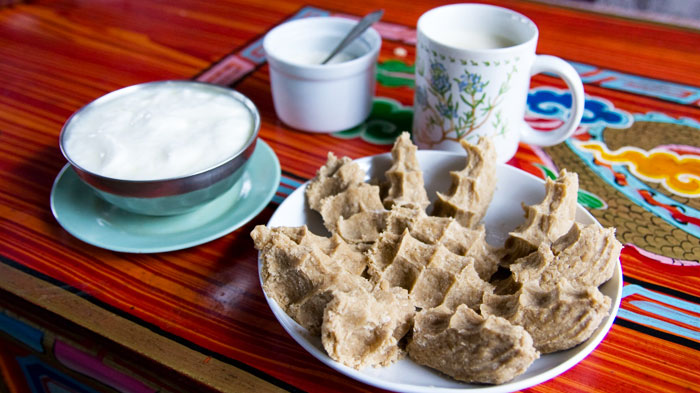
Among Jumla’s most famous indigenous drinks, Chyankhla occupies a central place. Known for its slightly sour taste and energizing properties, Chyankhla is a traditional fermented beverage made primarily from millet or barley. Its preparation is a meticulous process, reflecting the patience and skill of local brewers. The grains are first cleaned, roasted lightly to enhance flavor, and then soaked in water for fermentation. The fermentation process, often carried out in earthen pots, allows naturally occurring yeast and bacteria to work slowly, creating a mildly alcoholic, tangy, and highly nutritious drink.
Chyankhla is deeply tied to social and ritual life in Jumla. Traditionally, it is served during festivals, weddings, and communal gatherings, symbolizing hospitality and celebration. Elders often remark that a household that cannot offer Chyankhla to guests is considered lacking in generosity. The drink is not only enjoyed for its taste but also revered for its health benefits. Locals believe it aids digestion, strengthens immunity, and even provides warmth during the harsh winter months. Beyond its medicinal properties, Chyankhla acts as a social lubricant, bringing communities together in ceremonies and fostering conversations that weave the fabric of Jumla’s communal life.
Buckwheat and Barley: The Backbone of Jumla’s Drinks
While Chyankhla is made from fermented grains, buckwheat and barley hold a more ubiquitous presence in Jumla’s indigenous beverage culture. Buckwheat, locally known as Fapar, is particularly significant. Its resilience to the high-altitude, cold climate of Jumla makes it a staple crop, and its use extends far beyond food. Local brewers create buckwheat-based drinks that are both nourishing and subtly sweet. Barley, on the other hand, is versatile in Jumla’s drink culture. It can be roasted, ground into flour, or left whole to create a variety of fermented beverages. Barley-based drinks often accompany traditional meals, complementing dishes like dhendo and gundruk, and providing sustenance during long farming days or arduous treks across the hills.
The cultivation of these grains is itself a cultural ritual. Families sow seeds collectively, and every harvest season involves ceremonies of gratitude to the land and ancestors. These grains, therefore, carry stories of labor, devotion, and continuity. The process from field to drink is not merely agricultural; it is a narrative of Jumla’s relationship with nature, community, and survival.
Organic Apple Cider of Patmara: A Modern Twist on Tradition
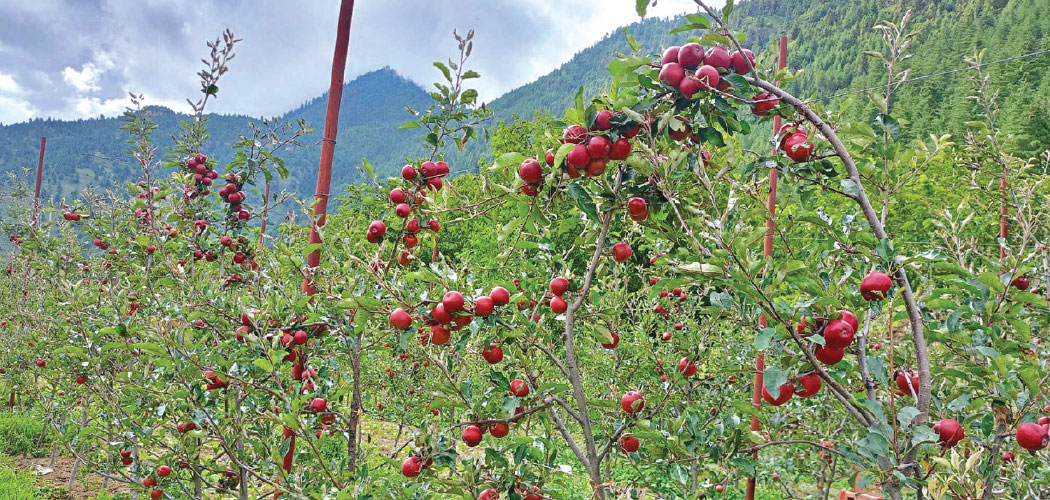
While Chyankhla represents the ancient, time-honored drinks of Jumla, the region is also home to innovations that blend tradition with modern taste. Patmara, a high-altitude village in Jumla, has gained recognition for its organically grown apples and the unique cider produced from them. The crisp climate and fertile soil create apples that are naturally sweet, firm, and aromatic, ideal for crafting cider. Local farmers harvest the apples manually, ensuring minimal bruising, and press them using traditional methods combined with modern hygiene practices.
The resulting organic apple cider is a clear, golden drink that balances sweetness and tartness. Unlike commercial ciders, it preserves the purity of Jumla’s ecosystem, free from artificial additives or preservatives. This cider has become not only a beverage of choice for local consumption but also a symbol of Jumla’s growing identity in Nepal’s artisanal food and drink scene. Small batches of cider are often exchanged during festivals or gifted to visiting relatives, reinforcing the cultural importance of sharing and celebration.
Patmara’s apple cider also demonstrates the region’s adaptability. While rooted in traditional agriculture, Jumla’s communities are exploring new ways to expand economic opportunities through indigenous drinks. The cider has found its way into small cafes and specialty shops in Nepal’s urban centers, attracting enthusiasts who value authenticity, local production, and unique flavor profiles. This bridge between ancient tradition and contemporary market trends is a hallmark of Jumla’s evolving beverage culture.
The Role of Indigenous Drinks in Festivals and Rituals
In Jumla, beverages are not mere refreshments; they are integral to cultural expression. Festivals such as Dashain, Tihar, and Maghe Sankranti feature indigenous drinks prominently. During Maghe Sankranti, which marks the winter solstice, Chyankhla and barley-based drinks are consumed to rejuvenate the body and symbolize the arrival of longer days. These drinks are believed to warm the body, prepare it for winter, and cleanse the spirit.
Religious rituals also incorporate indigenous drinks. Offerings to local deities often include Chyankhla or rice-based spirits, acknowledging the connection between humans, nature, and the divine. Weddings are another context where these beverages play a vital role. They are served in traditional cups called pote, and guests toast to the health, prosperity, and happiness of the newlyweds. Through these ceremonial uses, Jumla’s drinks become carriers of social values, ethics, and collective memory.
Traditional Brewing Methods and Tools
The process of brewing Jumla’s indigenous drinks is as important as the drinks themselves. Brewing techniques vary by village, family, and even season, reflecting an oral tradition of knowledge passed through generations. Earthen pots, wooden presses, bamboo sieves, and clay fermentation jars are commonly used. These tools are crafted with care and often decorated with symbolic motifs, making them cultural artifacts as much as functional items.
Fermentation is a delicate art. Local brewers monitor temperature, humidity, and timing intuitively, relying on senses honed over decades. The slightest variation can alter taste, alcohol content, and texture. In some households, secret ingredient blends, like dried herbs or wildflowers, are added to enhance flavor or medicinal qualities. This knowledge, largely undocumented, underscores Jumla’s rich intangible cultural heritage.
Health, Nutrition, and Sustainability
Beyond taste and tradition, Jumla’s indigenous drinks are inherently nutritious. Fermented beverages like Chyankhla are rich in probiotics, aiding digestion and strengthening the immune system. Barley and buckwheat drinks provide essential vitamins, minerals, and proteins, particularly valuable in high-altitude regions where dietary diversity can be limited. Organic apple cider contributes antioxidants and natural sugars, making it both refreshing and healthful.
Sustainability is another remarkable aspect. The use of local grains, minimal processing, and natural fermentation means that these drinks have a very low environmental footprint. Waste from brewing, like spent grains, is repurposed as livestock feed or compost, completing a cycle of resourcefulness and ecological responsibility. In a world increasingly conscious of environmental impact, Jumla’s beverage practices offer a model of sustainable, community-centered production.
The Future of Indigenous Drinks in Jumla
As Nepal modernizes and global influences reach even remote regions, Jumla’s indigenous drinks face both opportunities and challenges. Younger generations are increasingly curious about commercial markets and entrepreneurship. There is growing interest in branding local drinks, exporting organic cider, and promoting traditional beverages to tourists. Local cooperatives have started workshops to teach standardized brewing, packaging, and hygiene practices, ensuring that the cultural essence remains intact while expanding reach.
At the same time, urbanization and changing lifestyles could threaten traditional brewing knowledge. Migration to cities and exposure to modern beverages like soda, beer, and packaged juices may reduce local consumption of traditional drinks. However, awareness of cultural heritage and growing appreciation for organic and artisanal products could counterbalance this trend. Several initiatives, including food festivals, cultural showcases, and online promotion, are helping preserve and celebrate Jumla’s indigenous drink culture.
Cultural Identity and Community Cohesion
Drinks in Jumla are more than beverages; they are symbols of identity. They tell stories about survival in a harsh climate, ingenuity in agriculture, and communal solidarity. Sharing a cup of Chyankhla during a festival or offering apple cider to a guest carries layers of meaning, from respect and hospitality to social bonding and collective memory. Through these practices, communities reinforce their sense of belonging, continuity, and cultural pride.
In schools and community centers, elders often teach younger generations about the preparation and significance of these drinks. Children learn not just recipes, but values — patience, respect for nature, teamwork, and gratitude. These lessons, embedded in daily life and celebration, ensure that Jumla’s beverage heritage continues beyond mere consumption.
Economic Potential and Tourism
Indigenous drinks also have significant economic potential. Jumla is increasingly recognized as a destination for cultural and agro-tourism. Visitors are attracted not only by stunning landscapes and trekking routes but also by authentic experiences of local food and drink. Offering Chyankhla tastings, apple cider workshops, and demonstrations of traditional brewing techniques can create sustainable tourism models, providing income for local communities while preserving traditions.
Local entrepreneurs have started experimenting with bottled Chyankhla, flavored barley drinks, and cider with artisanal branding. These ventures appeal to urban Nepali markets and even international consumers interested in organic, handcrafted beverages. With careful marketing, quality control, and storytelling, Jumla’s indigenous drinks could become iconic symbols of Nepal’s cultural richness.
Conclusion
The indigenous drinks of Jumla, from the fermented Chyankhla to the crisp organic apple cider of Patmara, are living heritage. They represent more than taste; they embody history, agriculture, community, health, and identity. These beverages connect the people of Jumla to their land, their ancestors, and each other. They are a testament to resilience, innovation, and the wisdom of high-altitude living.
As Jumla navigates the challenges of modernity and globalization, preserving these drinks is essential. They are not only cultural treasures but also potential economic drivers, healthful alternatives, and symbols of Nepali ingenuity. For anyone seeking an authentic taste of Nepal’s highlands, Jumla’s indigenous drinks offer a journey through flavor, tradition, and community. By celebrating and sharing these beverages, Jumla continues to honor its past, enrich its present, and inspire its future.
Categories:
Food & Drink
Tags:
JumlaDrinks
,
FaparDrinks
,
SustainableFoodNepal
,
CulturalBeverages
,
TraditionalNepaliDrinks
,
OrganicAppleCiderNepal
,
JumlaAppleCider
,
Chyankhla
,
HighAltitudeCuisine