Share this Article

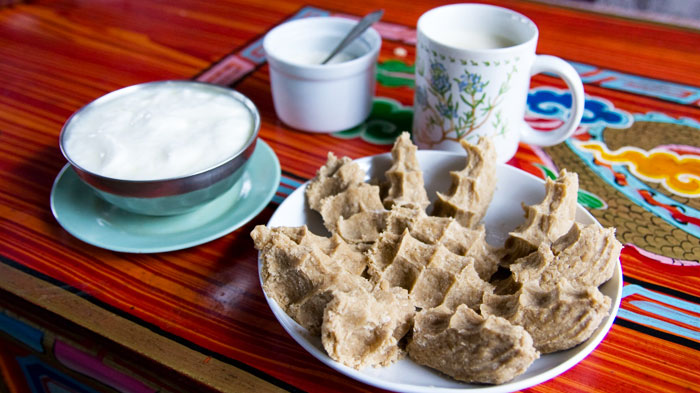
Plaplake is a traditional Gurung dish, commonly prepared during festivals, celebrations, and special gatherings. Soft, golden, and slightly crisp at the edges, Plaplake is a pancake-like delicacy that showcases the culinary heritage of the Gurung community in Nepal. Its preparation is simple yet requires patience and skill, reflecting the care and importance placed on festive foods.


Ingredients

Plaplake relies on a few basic, natural ingredients:

  • Rice – soaked and ground into a fine flour, forming the base of the batter.
     
  • Water – added gradually to create a thin, lump-free consistency.
     
  • Oil or ghee – for frying, giving the pancake a golden exterior and subtle richness.
     

No additional leavening agents or spices are traditionally used, allowing the natural flavor of rice to shine through.


Preparation Method

The preparation of Plaplake is meticulous and involves several steps:

  1. Soak the rice for at least six hours, softening the grains and making them easier to grind.
     
  2. Grind the soaked rice into a smooth flour, ensuring there are no coarse grains.
     
  3. Knead the flour until soft and pliable.
     
  4. Add water gradually, stirring continuously to create a thin, lump-free batter. The batter should flow easily but still hold together when poured into hot oil.
     
  5. Heat oil in a pan until shimmering, then pour the batter in small rounds or pancakes.
     
  6. Fry until golden on one side, then flip carefully to cook the other side. The result is a pancake that is soft in the center and lightly crisp around the edges.
     
  7. Drain excess oil and serve warm.
     

The process requires attention to batter consistency and frying temperature, as these determine the texture and appearance of the final Plaplake.


Texture and Flavor

Plaplake has a soft, melt-in-the-mouth texture with slightly crisp edges. The flavor is subtly sweet and earthy, deriving entirely from the rice. When freshly fried, it has a comforting aroma that evokes memories of family celebrations and communal festivities in Gurung households.

The pancake’s simplicity is its charm, allowing it to pair well with tea, chutneys, or even curd, depending on regional preferences.


Cultural Significance

Plaplake is more than a dish; it is a staple of Gurung festivities:

  • It is prepared during major celebrations, religious rituals, and family gatherings, symbolizing togetherness and tradition.
     
  • Making Plaplake is often a community activity, with family members sharing the tasks of grinding, kneading, and frying.
     
  • Its presence on the festive table signifies care, hospitality, and respect for culinary heritage.
     

In many Gurung households, Plaplake is considered essential to a proper celebration, alongside other traditional foods.


Serving Suggestions

Plaplake is typically enjoyed:

  • Warm, fresh from the pan, often with tea or milk.
     
  • As part of festive meals, alongside other Gurung dishes.
     
  • With accompaniments like curd, chutney, or honey, depending on preference.
     

Its soft texture, mild flavor, and ease of pairing make it a versatile and cherished dish.


Conclusion

Plaplake is a celebratory Gurung pancake, made from soaked and ground rice, kneaded into a smooth batter, and fried to golden perfection. Soft, slightly crisp, and subtly flavorful, it is a staple of Gurung festivities, embodying tradition, family, and the joy of communal cooking. Every bite of Plaplake is a taste of heritage, care, and nostalgia, reminding locals and visitors alike of the warmth of Gurung celebrations.