Share this Article
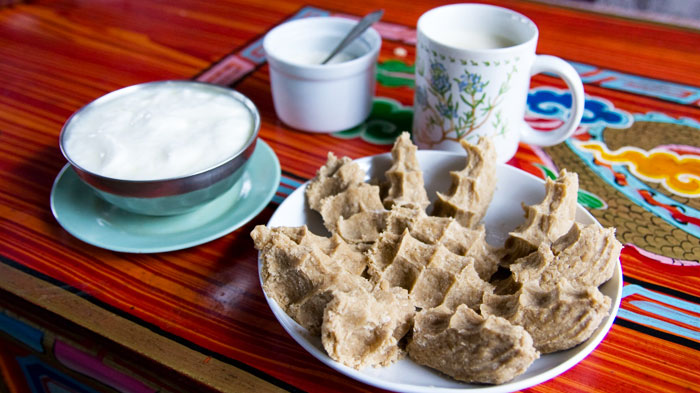
Nisose is a unique, bread-like delicacy from far western Nepal, cherished for its slightly sweet, soft, and aromatic texture. Unlike regular cakes or breads, Nisose has a distinct preparation method that connects it deeply to the local culinary traditions of the region. Traditionally made in households and during festivals, Nisose reflects the resourcefulness and creativity of far western Nepali communities.
Ingredients
The main ingredients for Nisose are simple and locally available:
- Rice flour – the base of the batter, giving it a light and soft texture.
- Sugar – for mild sweetness.
- Curd (dahi) – adds moisture and subtle tanginess.
- Ghee – enhances flavor and richness.
- Water – to adjust the batter consistency.
- Banana leaves – traditionally used as a natural baking surface.
Some families may add a pinch of cardamom or other mild spices to enhance aroma, but the traditional recipe keeps it simple.
Preparation Method
The preparation of Nisose is distinctive and deeply traditional:
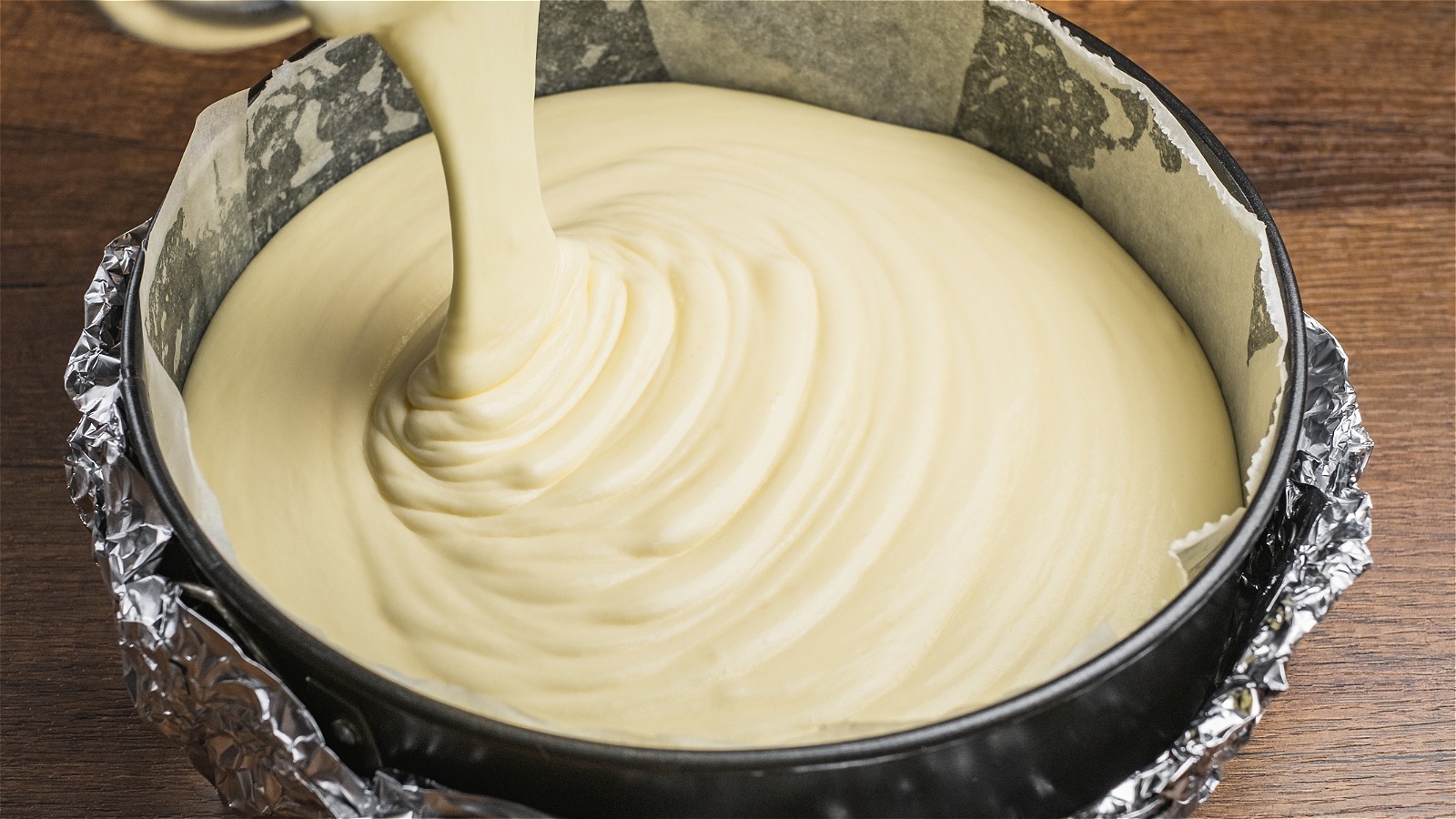
- Prepare the batter: Rice flour is mixed with sugar, curd, ghee, and enough water to make a smooth, pourable batter. The consistency is thicker than a pancake batter but thinner than a dough.
- Line the cooking surface: Banana leaves are placed over hot charcoal or embers, giving the cake a subtle smoky aroma.
- Pour the batter onto the banana leaf: The batter is spread evenly, sometimes in small portions or in one large layer.
- Cover and cook slowly: The heat from the charcoal cooks the batter gently, creating a soft, spongy texture. The banana leaf also prevents sticking and infuses the cake with a mild, earthy aroma.
- Serve warm: Nisose is typically eaten warm, often as a breakfast item, snack, or offering during festivals and special occasions.
The slow, indirect heat of charcoal, the richness from ghee, and the aroma of banana leaves give Nisose its unique flavor and nostalgic character.
Texture and Flavor
Nisose has a soft, slightly spongy texture that is light yet satisfying. The sugar provides a mild sweetness, the curd adds subtle tanginess, and the ghee enriches the batter with a buttery aroma. The banana leaf imparts a delicate earthy fragrance, making it a comforting and wholesome treat.
Its texture is between a steamed cake and a bread, evoking memories of traditional kitchens, village homes, and festive occasions in far western Nepal.
Cultural Significance
Nisose is more than a dish; it is a symbol of far western Nepali culinary tradition:
- It is commonly prepared at home during festivals and special occasions, often involving multiple generations in the cooking process.
- Banana leaf preparation over charcoal reflects traditional cooking methods, emphasizing natural and sustainable techniques.
- Nisose is also served during local celebrations and religious rituals, connecting it to both community and cultural identity.
For locals, the aroma and taste of freshly prepared Nisose is nostalgic, evoking memories of childhood and family gatherings.
Serving Suggestions
Nisose is typically enjoyed:
- Warm – fresh off the banana leaf, often at breakfast or as a snack.
- With tea – a common pairing at tea stalls and household gatherings.
- During festivals – prepared in larger batches for family celebrations or religious offerings.
Its simplicity, mild sweetness, and soft texture make it appealing to people of all ages.
Conclusion
Nisose is a traditional rice flour-based delicacy from far western Nepal, combining the subtle sweetness of sugar, the tang of curd, the richness of ghee, and the unique aroma of banana leaves cooked over charcoal. Soft, slightly spongy, and deeply connected to local tradition, Nisose is more than food—it is a taste of home, culture, and nostalgia, cherished by generations in far western Nepal.
Categories:
Food & Drink
Tags:
nisose
,
farwesternnepalfood
,
riceflourdelicacy
,
homemadenepalifood
,
sustainablecookingnepal