Batuk: Nepal’s Beloved Ring-Shaped Fritter Shared Across Cultures

With its crisp exterior, soft interior, and unmistakable ring shape, Batuk remains a timeless symbol of homestyle Nepali cooking and communal celebration
Batuk is a deep-fried fritter made from black lentils (maas ko daal). The batter is shaped into a ring or doughnut-like form and fried in hot oil until golden brown. Its texture is crunchy on the outside and soft inside, making it satisfying both as a snack and as a side dish.
Batuk is eaten:
Unlike many modern fried snacks, Batuk is rooted in traditional farming communities where lentils were a primary source of protein. This gave the dish both nutritional and cultural importance.
One of the most common misconceptions about Batuk is that it is the same as Bara. While both are made from soaked and ground black lentils, their preparation, shape, and cultural roles are fundamentally different.
Bara is a Newari pancake-style dish. It is shaped like a thick patty and cooked on a flat pan rather than deep-fried. Bara is frequently topped with eggs, minced meat, or vegetables and is strongly associated with Newari festivals, feasts, and restaurants.
Batuk, on the other hand, is always ring-shaped and fully deep-fried. It is usually served plain, without heavy toppings, and is widely prepared by Magar households and other Nepali communities as well as Newars. While Bara is often treated as a main ceremonial dish, Batuk functions more as a snack, side dish, or ritual offering food.
Furaula is another dish made from the same black lentil batter as Batuk, but unlike Batuk’s ring shape, Furaula is shaped into small ball-like or irregular fritters and deep-fried until crisp. It is usually simpler and smaller than Batuk and is often eaten as an everyday snack or served alongside beaten rice (chiura) and pickles. While Batuk is more ceremonial or festive in many communities, Furaula is considered a casual, everyday version of the lentil fritter, highlighting the versatility of the traditional lentil batter.
Though the batter may come from the same lentil base, Batuk and Bara represent two different culinary identities.
The traditional preparation of Batuk follows a process that has remained largely unchanged for generations.
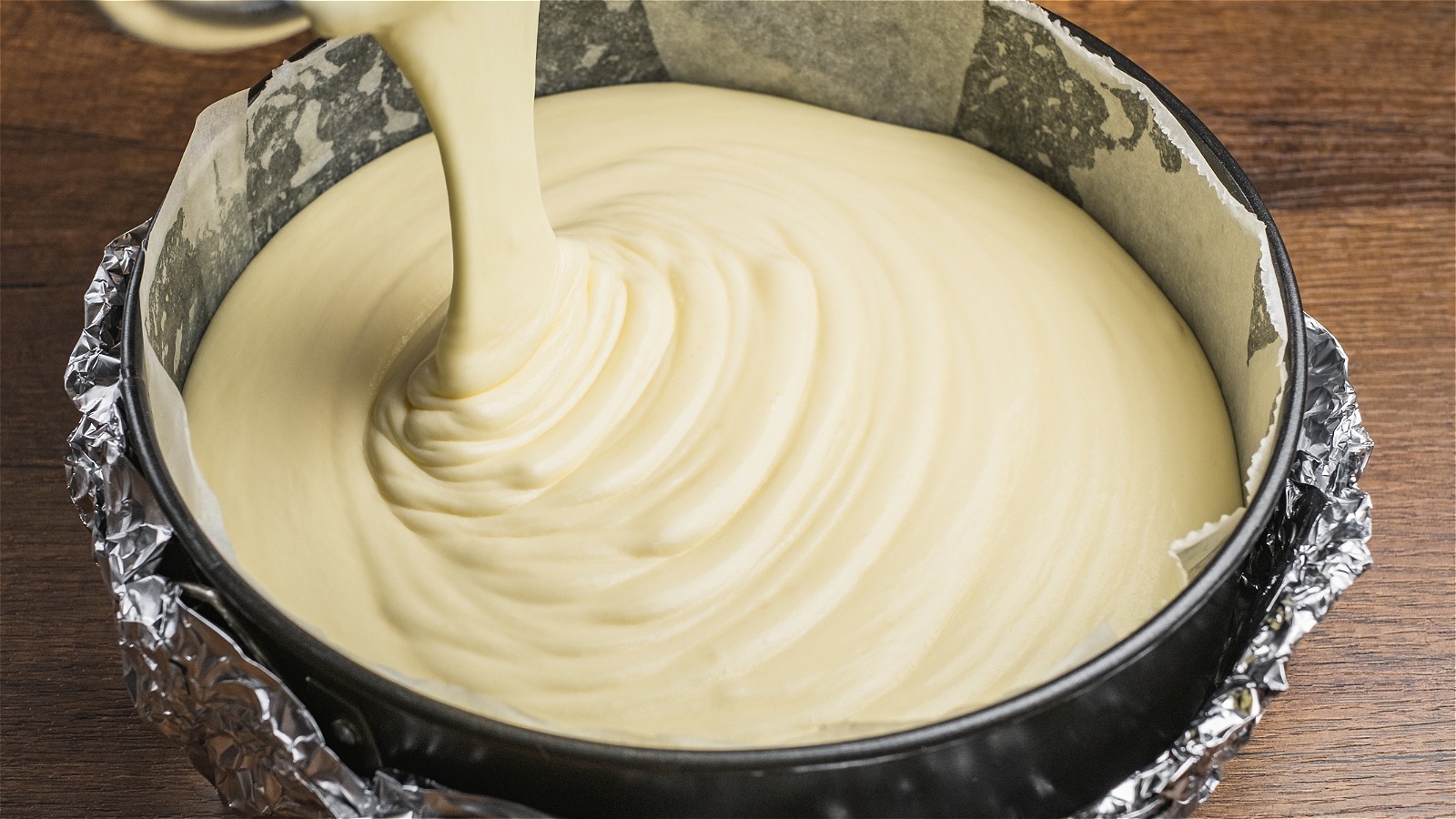
Black lentils are soaked overnight to soften them and remove bitterness. The lentils are then stone-ground or blended into a thick, smooth batter. The batter is seasoned with garlic, ginger, cumin, chili, and salt. Some households add a small amount of baking soda to improve softness, though older methods relied solely on natural fermentation and aeration during grinding.
Once the batter is ready, it is shaped by hand into small rings and carefully dropped into hot oil. The ring shape allows heat to circulate evenly, ensuring that the inside cooks thoroughly while the outside becomes crisp and golden.
Fresh Batuk is always best enjoyed hot, straight from the frying pan.
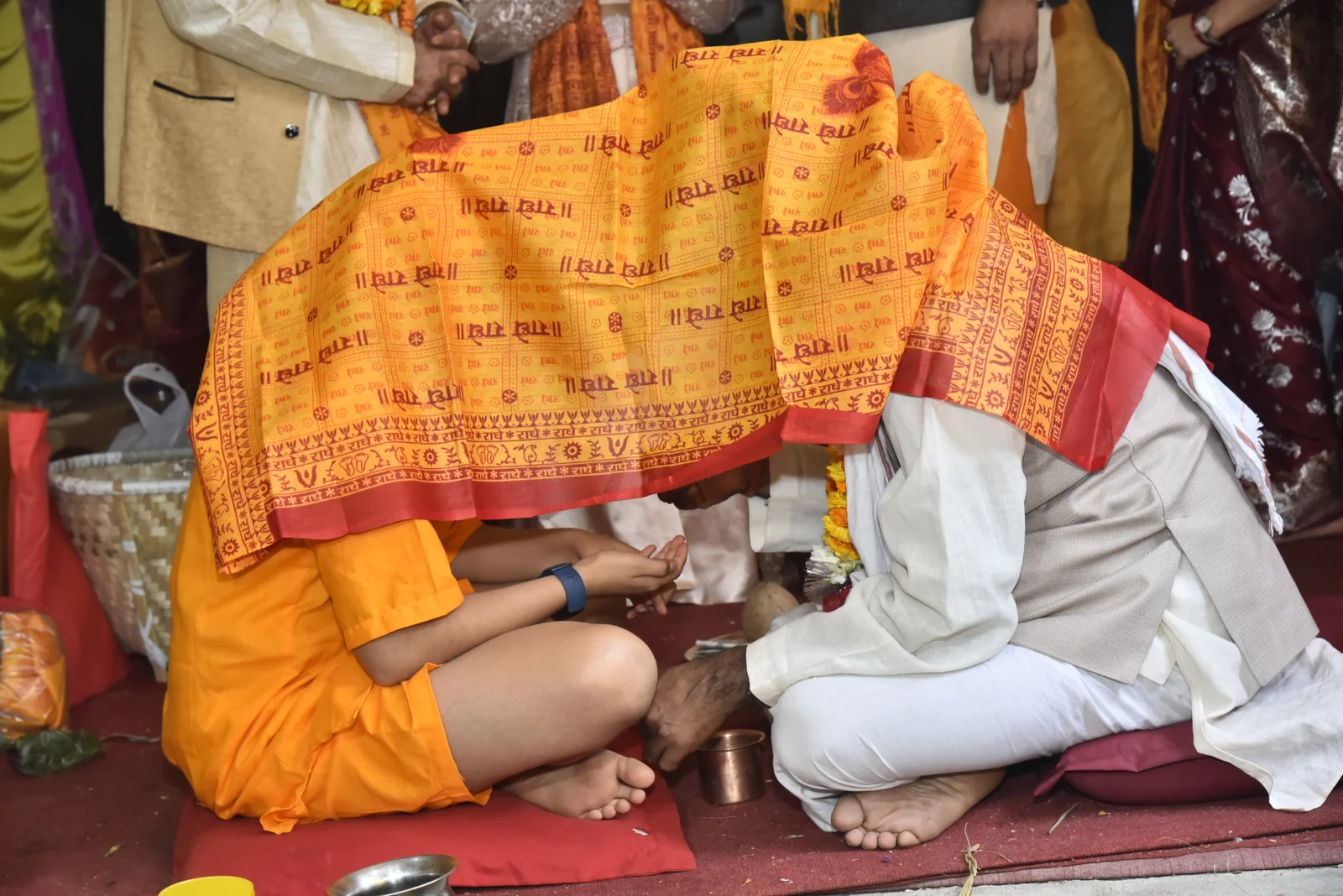
Batuk holds cultural meaning across multiple Nepali communities. It is not merely a casual snack but a ritual food associated with prosperity, hospitality, and communal bonding.
Batuk is commonly prepared during:
In many homes, making Batuk is a communal effort. Elder members prepare the batter while younger family members assist with frying and serving. This shared activity reinforces family bonds and transmits culinary knowledge across generations.
In traditional belief systems, offering fried lentil items like Batuk during rituals symbolizes abundance and strength.
Batuk is rarely eaten alone. It is usually paired with complementary foods that balance its fried richness.
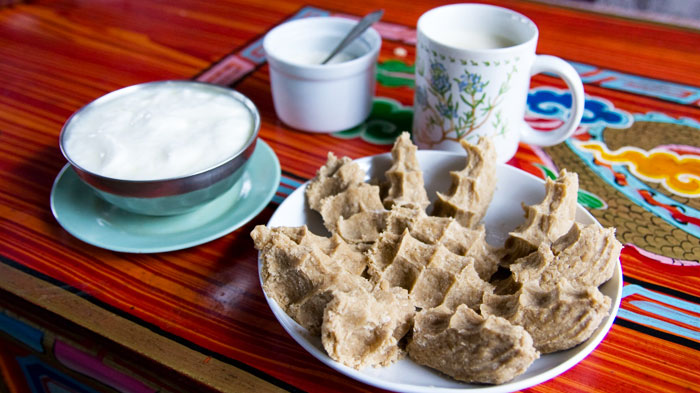
Common accompaniments include beaten rice (chiura), spicy tomato achar, fermented radish pickle, sesame-based chutneys, and fresh green chilies. In traditional gatherings, Batuk is often served alongside local beverages such as chhyang, raksi, or tongba. In everyday settings, milk tea is the most common pairing.
Batuk can be eaten for breakfast, as an afternoon snack, or as part of a larger meal during festivals and events.
Despite being deep-fried, Batuk is nutritionally richer than many processed snacks. Black lentils are an excellent source of plant-based protein, iron, dietary fiber, complex carbohydrates, and essential minerals. These nutrients support muscle health, digestion, sustained energy, and blood health.
However, since Batuk is cooked in oil, excessive consumption can contribute to high calorie and fat intake. In traditional Nepali settings, Batuk was eaten occasionally and in small portions, making it a balanced part of an otherwise simple, home-cooked diet.
Modern variations now include shallow-fried or air-fried versions for health-conscious consumers.
Regional Variations and Household Styles
While the basic concept of Batuk remains consistent, regional and household variations exist. Some families use stronger garlic and chili flavors, while others prefer a milder spice profile. The size of the ring, thickness of the batter, and frying time also differ from place to place.
Among Magar communities, Batuk is strongly tied to cultural gatherings and ancestral rituals. In urban settings, it is more commonly treated as a tea-time snack or street food item.
These variations reflect how Batuk adapts to both rural tradition and modern lifestyle.
Today, Batuk has moved beyond the home kitchen and into restaurants, street food stalls, and food festivals. Urban eateries may serve Batuk as an appetizer, while some chefs experiment with stuffed Batuk, mini Batuk platters, and fusion snack plates.
Despite these innovations, traditional Batuk remains unchanged in essence. Its continued presence in both village homes and city cafes shows how deeply rooted it is in Nepal’s food identity.
Batuk is not just a Newari dish. It is a shared traditional fritter across many Nepali communities, especially among the Magar and hill communities. Though it shares a lentil batter base with Bara, its ring shape, deep-fried preparation, and cultural role clearly separate it as an independent dish. Crispy on the outside, soft on the inside, and rich in tradition, Batuk continues to be a powerful symbol of Nepal’s diverse yet interconnected food culture.
Categories:
Food & Drink
Tags:
batuk
,
localfoodnepal
,
ethnicfoodnepal
,
friedfoodlove